
Mechanisms of Innate Neuronal Repair
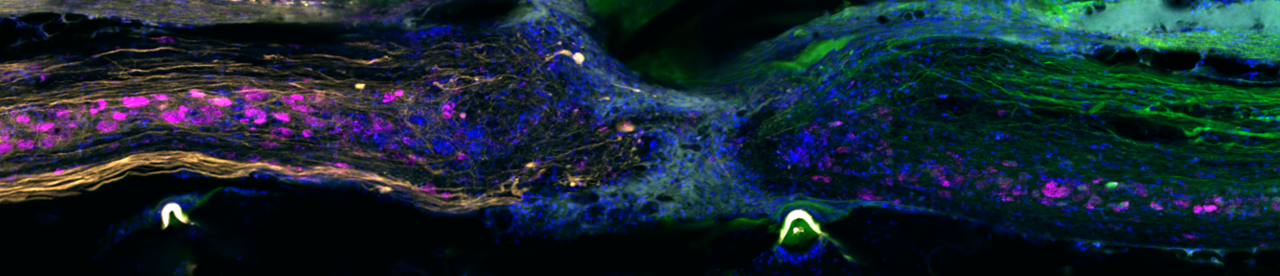
The VMS Lab aims to decipher fundamental and translational mechanisms of neuronal repair after central nervous system injury and disease. Unlike mammals, adult zebrafish exhibit an extraordinary capacity for innate spinal cord regeneration. We seek to understand the cellular transitions, gene regulatory networks, and target genes that make this recovery possible. And our long-term goal is to translate the mechanisms we learn from the adult zebrafish to mammalian systems for therapeutic applications.
"And, when you want something, all the universe conspires in helping you to achieve it."
Progenitor Landscape & Regenerative Neurogenesis
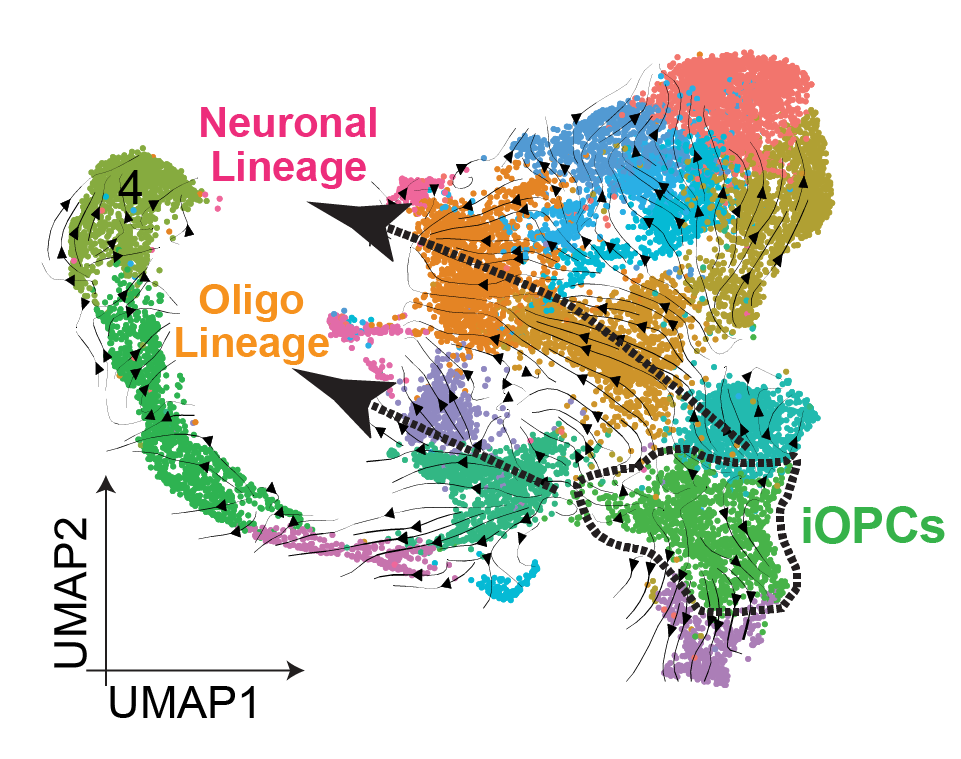
Following spinal cord injury in zebrafish, specialized glial progenitors respond dynamically to the injury site. We investigate the heterogenic glial progenitor populations, focusing on injury-induced oligodendrocyte progenitor cells (iOPCs). Using single-cell transcriptomics and lineage tracing, we resolve the temporal and spatial signaling states that govern progenitor cell division, migration, and differentiation into functional neurons and other cell types.
Intrinsic Mechanisms Regulating Neuron Survival & Plasticity
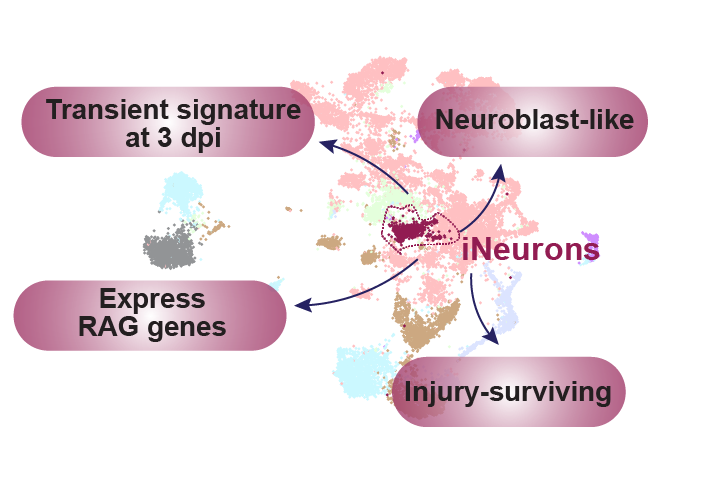
Unlike mammalian neurons, which undergo cell death or enter a state of permanent regenerative failure after central nervous system injury, a small subpopulation of injured zebrafish neurons, called iNeurons, initiate programs for survival and plasticity. We utilize high-throughput crispant screens in adult zebrafish to identify novel transcription factors that regulate iNeuron survival and plasticity.
Conserved Repair Mechanisms: Spinal Cord Injury & Tauopathies
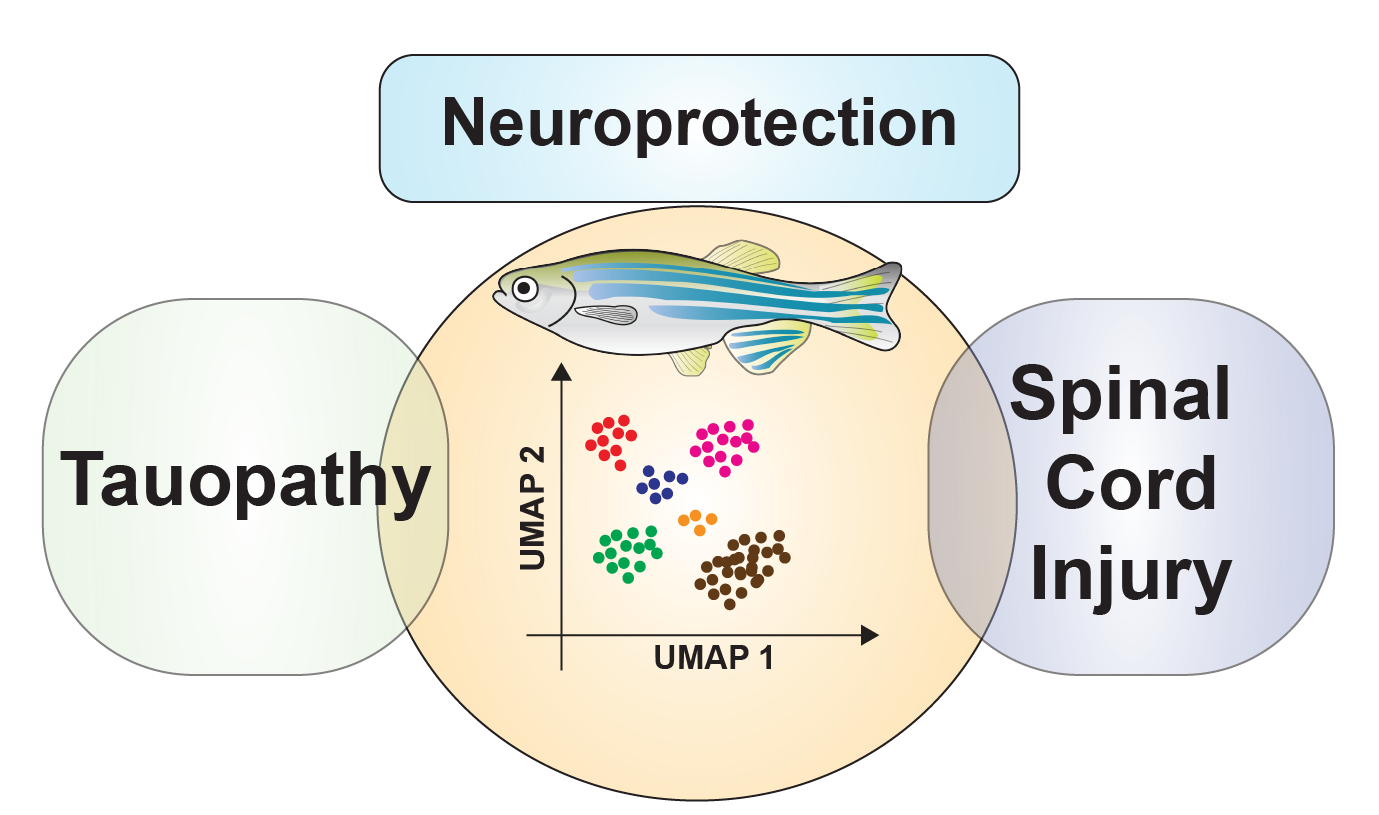
Adult zebrafish possess protective mechanisms that prevent full spectrum of Tau toxicity. This prompted us to hypothesize that there are conserved mechanisms of neuronal repair and protection in adult zebrafish. We explore the molecular intersections between acute physical injury and chronic neurodegeneration (e.g., Alzheimer’s, ALS, and Tauopathies). By comparing regeneration and degeneration, we aim to uncover conserved mechanisms of neuronal repair across tauopathy and SC injury in adult zebrafish.
Our Methodological Toolkit
Utilizing advanced molecular techniques including CRISPR/Cas9, immunohistochemistry, and HCR in situ hybridization to dissect cellular mechanisms.
Leveraging the power of zebrafish transgenic lines and genetic screening to model neurodegeneration and discover novel regenerative pathways.
Applying single-nuclei RNA & ATAC sequencing to index cell state trajectories across regeneration timelines.
Confocal and light-sheet fluorescence microscopy to capture real-time cell dynamics and axon growth in zebrafish larvae and adults.
High-resolution locomotor tracking and behavioral assay pipelines to quantify functional motor recovery post-spinal cord injury.
Developing automated analysis networks for high-content zebrafish imaging and cell classification.